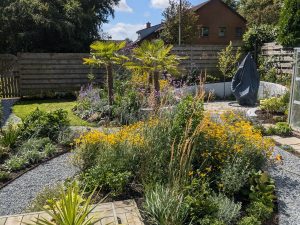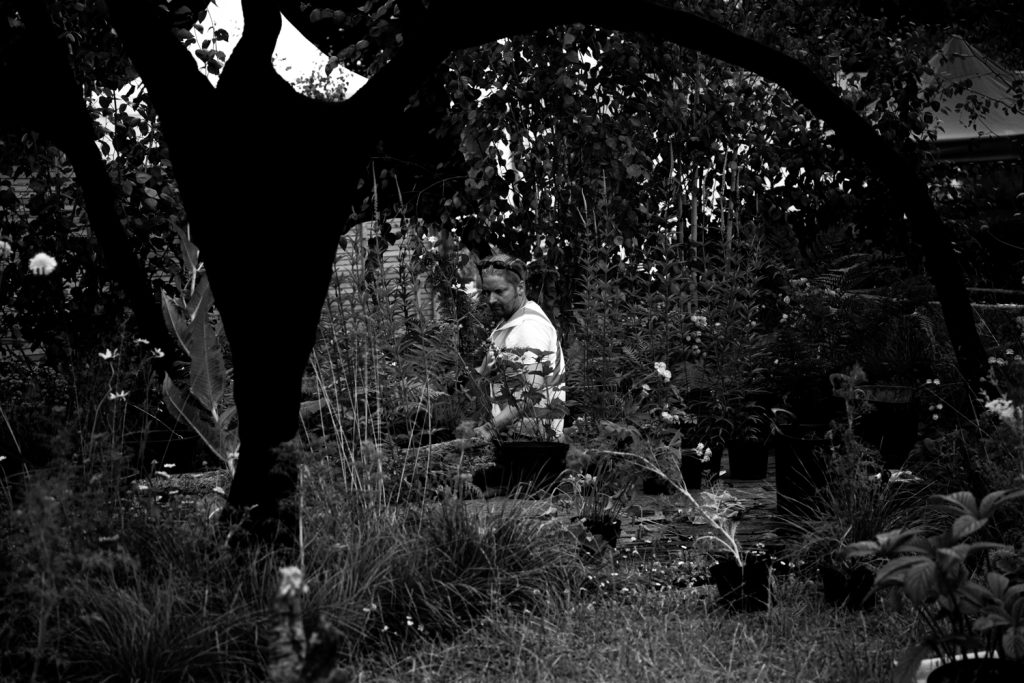
Imagine stepping into a garden that feels like a personal retreat, a space that reflects your interests in attracting wildlife and enhances your outdoor lifestyle. Whether you dream of lush greenery, vibrant flowers, or a serene seating area, finding the perfect garden designer near you can transform empty space into a beautiful space filled with interest and life. Hiring a garden designer gives you a much better chance of achieving that.
A skilled designer will listen to you, discuss your wish list of elements in the garden and bring their creativity and expertise to make it a reality, navigating the subtle complexities of the right plant for the right area of your garden as well as guiding you to get the most from your investment through a considered garden design.
At MUSA Landscape Architecture, we create gardens that are not only filled with plants and wildlife but also reflect your needs, design aspirations, and tailored to your budget.
Understanding the Role of a Garden Designer
So, you want to have your garden redesigned to better suit your needs, but not sure where to start?
A great start is finding a qualified professional garden designer who has undergone formal training and takes part in regular training courses to keep us up to date. One of the best places to start looking is the Society of Garden and Landscape Designers, of which Ryan McMahon from MUSA Landscape Architecture is a member.
A garden designer will listen to you, we will look at your space, analysing it for constraints and opportunities and discuss with you how we can resolve them. We bring creativity and combine this with our technical knowledge to maximise your investment by:
- Cost saving, we understand the landscape of your garden, key factors to take into account are drainage, site challenges, correct materials and soils that determine the right plant choices – all potentially avoiding costly mistakes.
- Technical Knowledge, understanding how elements of the garden are built and specifying these to the correct standards, will ensure your garden lasts without unnecessary repairs required.
- Functionality, we will assess your space to look at where the sun travels, what areas are in shade, where will the late afternoon sun will go, as well as key sight lines in your garden and key desire lines through it will all lead to a successful design that functions for your needs.
- Flow, the flow from house to garden is a key element of its success, and this seamless transition will enable you to enjoy the space year-round.
- Project Management, we work with trusted local landscapers who will build your garden based on the design we create together. An accurate set of detailed design drawings and regular site visits will ensure that what we design together will be exactly what you get.
By hiring a garden designer, you are investing in a holistic approach to a garden’s creation, balancing creativity with practicality, ensuring that your outdoor space is both beautiful and enduring.
Benefits of Hiring a Professional Garden Designer
One of the benefits of hiring a professional garden designer is our ability to bring fresh ideas to your outdoor space. When I visit your garden for the initial design consultation, I will suggest a lot of things – you might not like all of them, and knowing what you dislike as well as what you do like is a good thing, as this will focus our attention when we put pen to paper. When I visit a new site, I see potential everywhere, potential to maximise your enjoyment of the space, create privacy, small hidden areas to sit within the garden and read a book or areas that could be more open, creating social spaces to enjoy with friends and family.
One of our jobs as a garden designer is to bring together a bespoke palette of materials for your garden, not only to ensure the right materials are selected for your conditions but to create a seamless flow between areas. We bring samples of materials with us to make sure you like them and to see what they look like in your garden. I also bring a bottle of water with me so you can see what they will look like wet, in the rain. The materials will be specified with suppliers noted in the detailed design and written specification so when we get quotes from trusted landscapers for your project, it is on a like-for-like basis.
A well-designed garden can also increase the value of your property, being an asset to your property, creating a positive first impression as well as increasing the living space of your home.
How to Identify Your Garden Design Needs
Firstly, what do you dislike about your garden? When you contact a garden designer, tell them what you dislike about the space, this might be how it feels as a result of a lack of privacy. Really think about what your garden is like and the areas within it that you want to spend time in, and crucially, how you want to spend time in it.
Understanding your needs will help you communicate your vision clearly to potential designers.
The next stage in your design journey is to think about what you want in your garden, is it a seating area, pond, waterfeature, vegetable garden, compost areas, what kind of materials do you prefer, stone, concrete, gravels etc
It would also be useful to know what your favorite plants are, what your favourite colour is and what your favourite planting style is – is it lush and tropical, woodland, prairie grassland style or cottage garden?
Lastly, do you have a figure that you are comfortable investing in your outdoor area? It’s important you share all of this with your garden designer as it will form the brief for your outdoor area and inform all aspects of the design.
Researching Local Garden Designers
Once you have a clear idea of your garden design needs, it’s time to start researching local garden designers. Begin by asking for recommendations from friends, family, and neighbours who have had successful garden design projects. Personal referrals can provide valuable insights into a designer’s work ethic, reliability, and creativity. Additionally, local garden centres and nurseries often have connections with reputable designers and can offer recommendations.
Online resources are also invaluable in your search. Websites like Houzz, Yelp, and the Association of Professional Landscape Designers (APLD) directory provide listings and reviews of garden designers in your area. Take the time to read reviews and look at photos of completed projects to get a sense of a designer’s style and quality of work. Pay attention to feedback about their communication skills, adherence to timelines and budgets, and overall client satisfaction.
When researching potential designers, consider their specialisations and areas of expertise. Some designers may excel in creating modern, minimalist gardens, while others might have a knack for lush, traditional landscapes. Look for designers who have experience with projects similar to yours and who understand the local climate and conditions. This will ensure that they can create a garden that not only looks beautiful but also thrives in your specific environment.
Questions to Ask Potential Garden Designers
When you have shortlisted a few potential garden designers, the next step is to interview them to find the best fit for your project. Prepare a list of questions that will help you gauge their experience, approach, and compatibility with your vision. Here are some to help you get started…
- Start by asking about their qualifications and experience.
- Find out how long they have been in business, what types of projects they have worked on, and if they have any formal training in garden design or horticulture.
- Enquire about their design process and how they work with clients. Ask them to walk you through a typical project from start to finish. This will give you an idea of how they approach design, how they handle challenges, and how they ensure client satisfaction. It’s also important to discuss their fees and payment structure.
- Understand what is included in their services, whether it’s just the design or if they also oversee the installation. Clarify any additional costs that might arise during the project.
- Another crucial aspect to discuss is communication. Ask how often they will provide updates and how they prefer to communicate, whether it’s through emails, phone calls, or in-person meetings. Good communication is key to a successful project, so make sure you are comfortable with their approach. Finally, ask for references from previous clients and follow up with them to get a firsthand account of their experience working with the designer. This will give you a comprehensive understanding of what to expect and help you make an informed decision.
Thinking of transforming your garden?
Let’s chat! Whether you have a clear vision or just a vague idea, MUSA can help shape your dream outdoor space from the ground up. You can book a free, no-pressure chat here.